
The things you use, ignore, or keep “just in case” might be worth more than your phone. Not antique-fair rare—ordinary rare. The kind that hides in the second drawer.
I’m standing in my kitchen staring at a chipped mixing bowl. It belonged to my gran, so it has that soft glow of memory. I almost toss it in the charity bag, then hesitate and google the pattern. Up pops a listing, and a price that makes my eyebrows move. *One drawer, one rainy Sunday, and you could change your month.*
Across the street, a neighbour tells me his old console games paid for a weekend getaway. A colleague flips a car boot find into half a month’s rent. We trade these stories like secret passwords. The line between junk and jackpot is thinner than you’d think. What else is hiding in plain sight?
The quiet gold in ordinary rooms
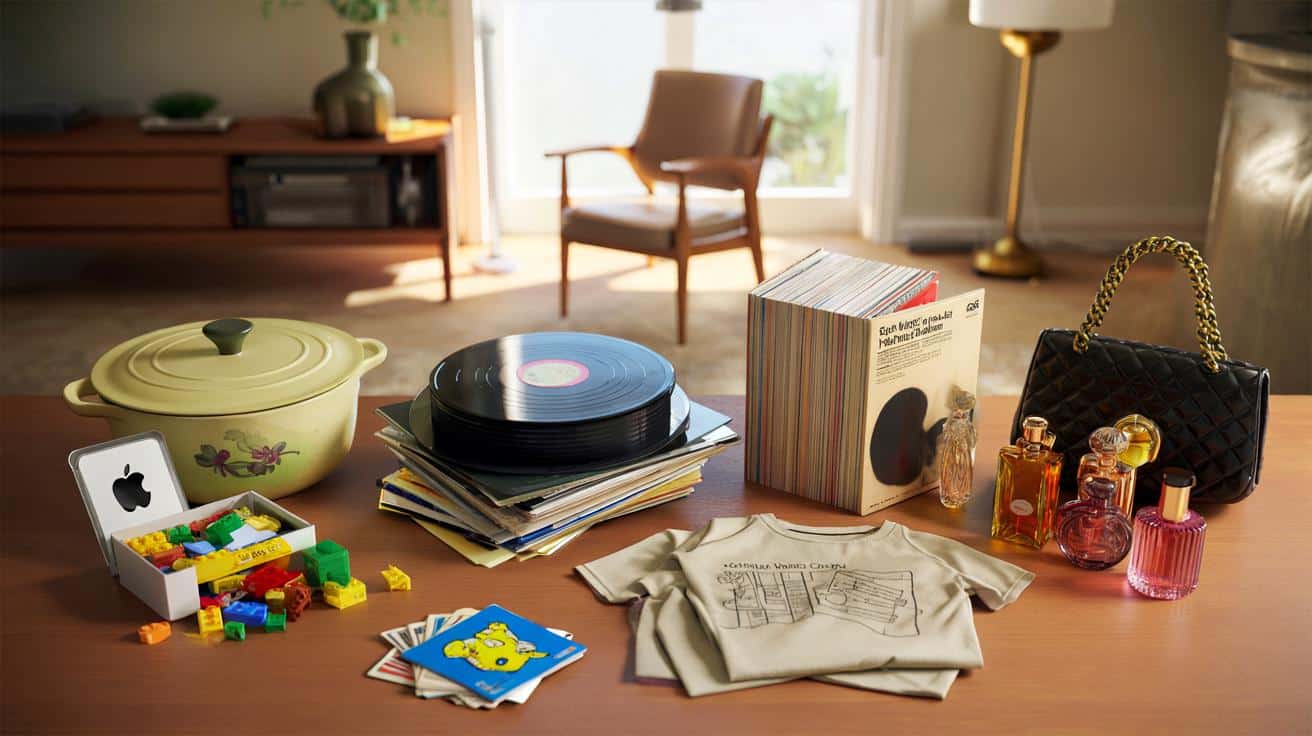
Look around and the suspects don’t look rich. They look familiar. A Le Creuset casserole with a faded lid. A box of Lego under the bed. A stack of vinyl next to the radiator, sleeves slightly sun-faded. Value rarely sits center stage; it lurks in corners and on top shelves, dusty and patient.
Take vintage kitchenware. Certain Pyrex and Fire-King patterns—think gooseberries, atomic stars—have pushed into three figures per piece, more as a complete set. Games are even wilder. Early Pokémon or SNES titles, boxed with manuals, can turn into rent money. Sealed original iPods have sold for thousands, and retired Lego sets break hearts and budgets. One person’s “old toy” is another’s grail.
There’s a pattern to why mundane turns into money. Scarcity sneaks in as things get used, lost, or binned. Nostalgia kicks hard when the people who grew up with these items hit peak earning years. Condition ties a bow on the whole story: untouched packaging, clean edges, original components. Add a traceable backstory and the value nudges higher. It’s not magic. It’s memory, rarity, and proof.
Your five-minute value check
Start with the fast trio: maker, model, condition. Look for marks under bases and inside lids—Le Creuset, Denby, Poole, Pyrex codes. On vinyl, check the runout groove for pressing info. On Lego, find the set number on the box or instructions. For books, note the publisher, year, and print line; **first‑edition books** can jump brackets with a tiny detail.
Then do a “comps” sweep. Search recent sold results, not asking prices. eBay’s filters are your best friend. Cross-check on Discogs for records, Bricklink for Lego, WorthPoint for older comps. Photograph in daylight, keep items dry and unpolished. We’ve all had that moment when a quick search changes how we see an object. Let’s be honest: nobody actually does that every day. But once you learn the rhythm, it becomes a habit you can do with a cup of tea.
Treat cleaning like surgery: minimal, reversible, documented. Don’t scrub coins or polish wood finishes into oblivion. Don’t wash vintage band tees without checking tags and seams. And if your item has a box, keep it together—completeness pushes prices up.
“The most valuable thing in a house isn’t usually the rarest. It’s the ordinary thing that somehow survived intact.” — auction specialist, Bermondsey
- Vintage Pyrex and Fire-King: rare patterns, matching lids, no dishwasher haze.
- Retired Lego sets: sealed or complete, especially UCS starships and modulars.
- Vinyl records: first pressings, sought-after labels, clean sleeves.
- Old Apple gear: iPods, early iPhones, boxed accessories—**sealed tech relics** soar.
- First-edition novels: look for low print runs, famous debuts, signed copies.
- Mid-century chairs and lamps: named designers, original fabric, light wear—**mid‑century furniture** holds strong.
- Designer handbags: classic lines, receipts, dust bags, authentic serials.
- Band tees from the 80s/90s: single-stitch hems, tour dates, true vintage tags.
- Trading cards: Pokémon 1st Edition, early Magic, graded singles.
- Perfume bottles and cosmetics: discontinued scents, full or boxed.
What happens when you start looking
The house changes a little. The old becomes visible again. A trip to the loft feels like a night-time beach walk, torchlight catching the edges of forgotten shells. You begin to sort things into “story piles”: the keepers you love, the sellables that can fund a bill, the mysteries that need a second opinion. You talk to relatives—who owned this, where did it come from—and the value multiplies with each detail.
On the selling side, start simple. Photograph on a plain background. Use natural light. Be honest about flaws. If you’re torn between platforms, ask yourself if speed or top price matters more. Auction houses can be great for specialist items; marketplace apps are perfect for quick wins. Share the hunt with friends—or that uncle who swears he doesn’t hoard—because crowdsourcing knowledge is half the fun.
When you catch the rhythm, you move differently through your rooms. You pause at a spine on the bookshelf. You tilt a chair to see its joinery. You pick up a mug and study the ink. Not all treasure clinks. Sometimes it hums quietly until someone listens.
| Key point | Detail | Interest for the reader |
|---|---|---|
| Look for maker marks | Under bases, inside lids, runout grooves, set numbers | Fast way to separate treasure from clutter |
| Condition and completeness rule | Boxes, manuals, tags, original finishes | Simple habits that boost selling prices |
| Check sold comps, not asks | Use eBay, Discogs, Bricklink, auction archives | Realistic pricing avoids leaving money on the table |
FAQ :
- How do I know if a book is a first edition?Check the print line for “1” and the publication date matching the first release. Some publishers use different systems—search “[publisher] first edition identification” for specifics.
- Are my old CDs and DVDs worth anything?Most aren’t, but limited pressings, early imports, box sets, and cult titles can carry value. Check barcodes and sold listings.
- Should I restore a scratched piece of furniture?Light cleaning and wax can help. Full refinishing can destroy value for design pieces. When in doubt, get a quote and a written opinion.
- Do I need grading for cards or comics?Grading helps when condition is high and demand is strong. For mid-tier items, fees may outweigh gains. Compare raw vs graded comps first.
- Where should I sell valuable items?Specialist marketplaces attract the right buyers: Discogs (vinyl), Bricklink (Lego), StockX (sneakers), trusted auction houses for design or fine items. For quick sales, local apps and eBay work well.



Just checked my attic and found an old iPod still sealed—didn’t expect that to be worth anything! 🙂 Time to dig through the “junk” drawer.
Isn’t the market for vintage Pyrex kinda overheated? What happens when everyone starts listing the same gooseberry pattern? Curious if prices hold or if we’re chasing nostalgia bubbles.